We often joke about the burden of having a period. The cramps, the bleeding, the mood changes, the inconvenience. For many women, the idea of being done with a monthly cycle can sound like a relief.
And for some women, it is.
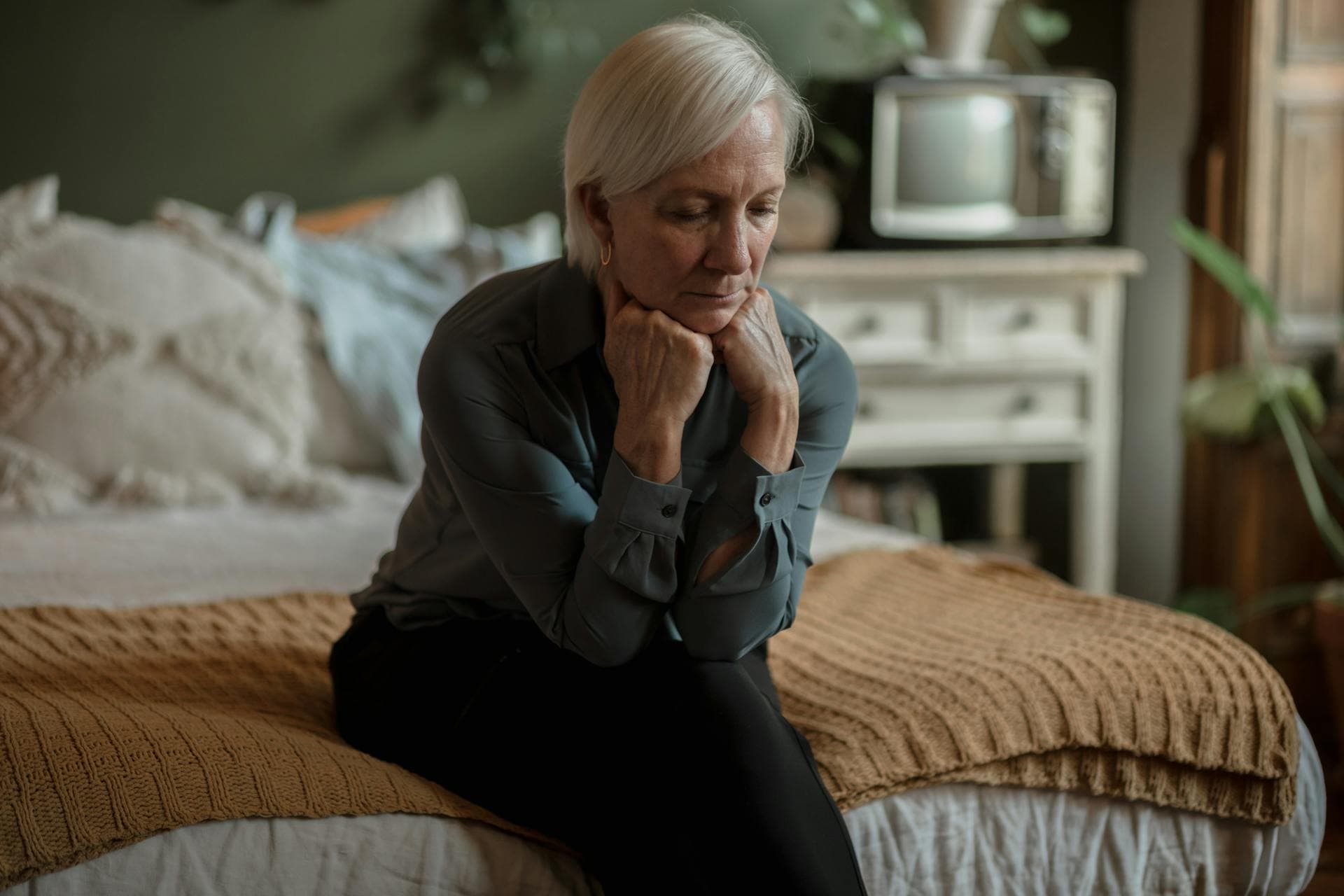
But for many others, the arrival of menopause brings an unexpected sadness.
That sadness is real. And it makes sense.
Menopause is not just the end of a period. It is the end of a long relationship with a part of the body that has been present for decades. Even if that relationship was complicated, frustrating, painful, or inconvenient, it was familiar.
For many women, the menstrual cycle has been one of the body’s most closely observed rhythms. Month after month, women notice the heaviness of bleeding, the intensity of cramps, changes in energy, shifts in mood, cravings, sleep, libido, and physical comfort.
At first, we learn to make sense of our cycles. Then, for many women, we track them to make sure we are not pregnant. Later, we may track them while trying to become pregnant. After childbirth, we may watch to see whether things return to “normal.” And then, in the years leading up to menopause, we begin noticing how things are changing again.
That is a long and intimate history.
So when that cycle begins to disappear, it can feel like a goodbye. And goodbyes often come with grief.
For some women, the loss of a period can feel connected to the loss of femininity. They may wonder, “If I am no longer cycling, am I still as feminine? Am I still as desirable? Am I still myself?”
When this comes up, it can be helpful to pause and ask: What has made me feel feminine throughout my life?
Was it the clothes I wore? The way I carried myself? My sensuality? My confidence? My relationships? My creativity? My role as a mother, partner, friend, daughter, professional, or caregiver?
Often, women realize that their period was not actually what made them feel feminine. It was part of their story, but it was not the whole story. The other parts of their identity have not disappeared. Their femininity has not ended. It may simply be asking to be understood in a new way.
For other women, the grief is tied to fertility.
This can be especially painful. It may reflect sadness about not having the family they hoped for. It may reflect the loss of the possibility of having another child. It may reflect the end of an option that, even if unused, still felt like a kind of safety blanket.
For some women, fertility was also tied to sexuality, vitality, and identity. Losing it can feel like losing access to a part of themselves.
This kind of grief should not be rushed. It deserves space.
There is no need to minimize it or talk yourself out of it. It is okay to mourn what did not happen. It is okay to grieve the children you did not have, the choices you did not get to make, or the version of your life you once imagined.
Once that grief has room to be felt, many women begin to find other ways to express the needs that fertility once represented. That may mean nurturing others in new ways. It may mean mentoring, creating, building, teaching, leading, volunteering, or putting energy into work, art, community, or service.
There are many forms of birth and growth that continue long after fertility ends.
For some women, a farewell ritual can be meaningful. This does not have to be elaborate or spiritual unless that feels right. Some women may find comfort in a ritual connected to the moon, nature, or Mother Earth. Others may gather with close friends to talk, reflect, laugh, cry, and mark the transition together.
For women who do not connect with ritual, there are other ways to honor the change. Journaling can help. Planning a meaningful dinner with friends can help. Supporting an organization that helps girls understand their menstrual cycles or provides menstrual products to women in need can also create a sense of purpose around the transition.
The point is not to make menopause into something it is not. The point is to create space to recognize that something significant is happening.
Menopause is a biological transition, but it is also an emotional one. It can bring relief, sadness, confusion, freedom, frustration, and even hope. Sometimes all at once.
So if you feel grief as menopause approaches or arrives, you are not alone. You are not being dramatic. You are responding to a real change in your body and your life.
This is a moment of transition. It is also a moment to honor how far your body has carried you, how much it has held, and how much life still remains ahead.
Your body is not becoming less meaningful.
Your womanhood is not ending.
A new chapter is beginning.
How We Can Support You
At Washington Center for Women’s and Children’s Wellness, we understand that menopause is not just a physical transition. It can affect mood, anxiety, sleep, sexuality, identity, relationships, and the way a woman feels in her own body.
Our team provides compassionate, evidence-based care for women navigating perimenopause, menopause, and midlife changes. We help women better understand what is happening hormonally, emotionally, and physically, and we work with each patient to create an individualized treatment plan.
Support may include psychiatric evaluation, medication management, psychotherapy, hormone-related consultation, support around sexual health and intimacy, and collaboration with your OB/GYN or primary care provider when needed.
You do not have to move through this transition alone. Menopause is a major life change, and it deserves thoughtful, specialized care. At WCWCW, we are here to help women feel heard, supported, and more like themselves again.
Need Support?
If this article resonated with you, our team is here to help.