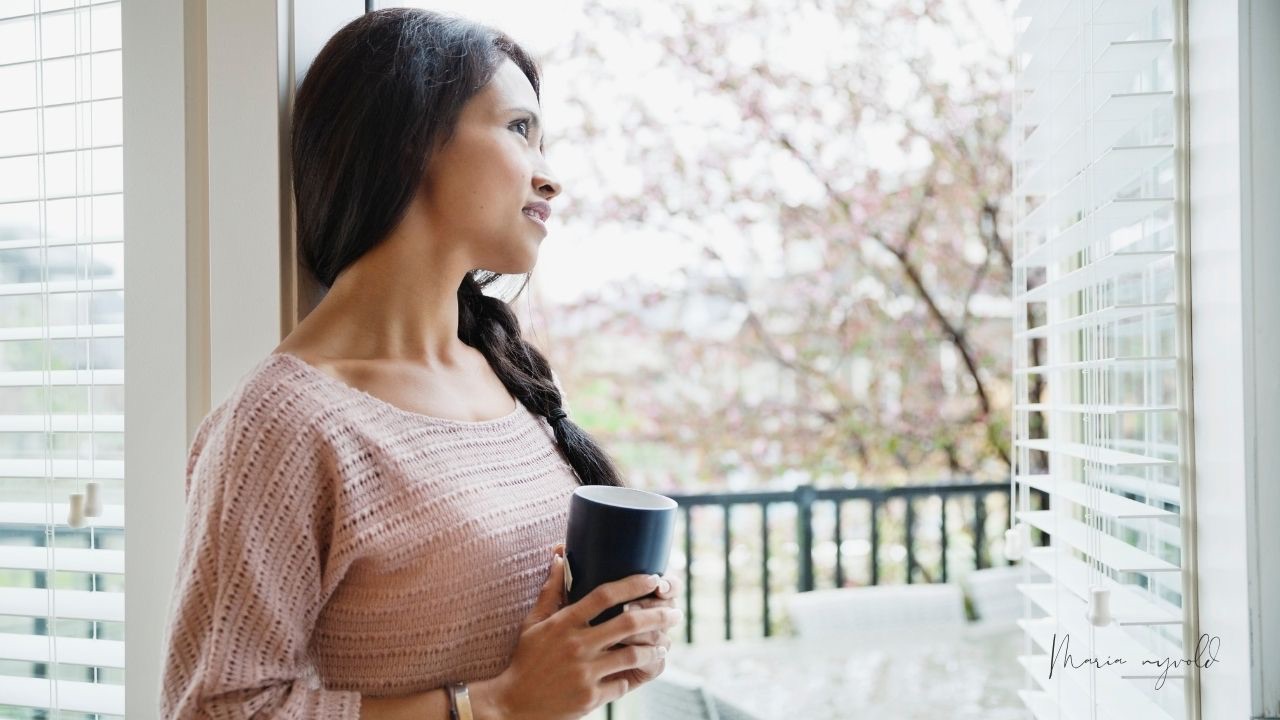
Behind many strong, capable women is a quieter story that does not always get spoken out loud.
She may be successful at work, present for her family, organized, dependable, and calm on the outside. Inside, she may feel anxious, exhausted, perfectionistic, irritable, overwhelmed, or unable to rest.
This is one of the reasons high-functioning anxiety in women can be so easy to miss. From the outside, everything looks fine. She is getting things done. She is showing up. She is taking care of people. She is meeting expectations.
But looking strong does not always mean feeling well.
What Is High-Functioning Anxiety?
High-functioning anxiety is when someone appears capable, productive, and successful on the outside while privately experiencing worry, tension, perfectionism, overthinking, irritability, sleep disruption, or emotional exhaustion.
Many women with high-functioning anxiety keep showing up for work, family, friendships, parenting, caregiving, and responsibilities while silently feeling overwhelmed inside.
They may not identify with the word “anxiety” at first. They may describe themselves as busy, driven, responsible, type A, sensitive, or unable to turn their mind off. They may believe they are simply “bad at relaxing” or that they just need to push through.
But anxiety can hide behind achievement. It can hide behind competence. It can hide behind being the person everyone else relies on.
Why Anxiety in Women Is Often Missed
Anxiety in women does not always look like panic attacks or visible distress. Sometimes it looks like over-preparing, overthinking, people-pleasing, staying busy, avoiding mistakes, and holding everything together.
Many women learn early that they are valued for being responsible, helpful, organized, emotionally aware, and strong. Over time, those strengths can become exhausting when they leave little room for rest, imperfection, or vulnerability.
A woman may seem calm because she has become skilled at hiding stress. She may seem dependable because she rarely says no. She may seem successful because anxiety keeps pushing her to do more, plan more, check more, and try harder.
The outside world may praise the very patterns that are wearing her down.
Signs of High-Functioning Anxiety in Women
Signs to look out for include:
- Persistent overthinking
- Difficulty relaxing
- Perfectionism
- Fear of disappointing others
- Trouble sleeping
- Feeling responsible for everyone
- Irritability or emotional exhaustion
- Racing thoughts
- People-pleasing
- Feeling like rest has to be earned
- Constantly planning or preparing
- Physical tension, headaches, stomach issues, or fatigue
- Feeling successful but not peaceful
- Avoiding mistakes or uncertainty
- Saying “yes” when already overwhelmed
- Replaying conversations
- Needing reassurance
- Feeling guilty when taking time for yourself
- Struggling to be present because your mind is always ahead
High-functioning anxiety can be especially confusing because many women continue to function well. They may meet deadlines, care for children, manage households, support partners, help aging parents, and maintain friendships. But functioning does not mean thriving.
A person can be doing everything and still feel unwell.
What Women Don’t Always Say Out Loud
Many women carry thoughts they rarely share:
- “I’m exhausted.”
- “I feel responsible for everyone.”
- “I don’t know how to stop worrying.”
- “I’m afraid people will be disappointed in me.”
- “I feel guilty when I rest.”
- “I look like I have it together, but I don’t feel that way.”
- “I don’t know what I need.”
- “I miss feeling like myself.”
- “I’m tired of being the strong one.”
These thoughts matter. They are not signs of weakness. They are signs that a woman may have been carrying too much for too long without enough support.
When Strength Becomes Exhaustion
Strength is not the problem. Many women are strong, resilient, capable, and deeply committed to the people and responsibilities in their lives.
The problem begins when strength becomes the only acceptable option.
When a woman feels she must always be calm, always be productive, always be available, always be grateful, always be fine, and always be the one who holds things together, strength can become a mask for anxiety and burnout.
Over time, this can affect sleep, mood, relationships, concentration, physical health, parenting, work, and self-esteem. It can also make it harder to ask for help because needing support may feel unfamiliar or uncomfortable.
But support is not the opposite of strength. Support helps protect it.
How Hormones and Life Transitions Can Affect Anxiety
Women’s mental health is shaped by many factors, including stress, relationships, trauma, sleep, family demands, work pressure, caregiving, and biology. Hormonal and reproductive transitions can also play an important role.
Anxiety may increase during times such as:
- Premenstrual changes or PMDD
- Fertility treatment or infertility
- Pregnancy
- Postpartum adjustment
- Breastfeeding or weaning
- Perimenopause
- Menopause
- Major parenting transitions
- Caregiving for aging parents
- Relationship changes
- Career changes or burnout
During these times, many women say, “I don’t feel like myself.” They may notice more irritability, worry, sleep disruption, emotional sensitivity, panic, brain fog, or overwhelm.
These symptoms deserve thoughtful attention. They are not something women should have to minimize or push through alone.
Why Therapy Can Help
Therapy gives women space to say the things they often hold in. It can help identify patterns, understand anxiety, set healthier boundaries, reduce perfectionism, manage stress, and reconnect with personal needs.
For high-functioning anxiety, therapy can help women:
- Recognize how anxiety shows up
- Understand the link between thoughts, feelings, and behaviors
- Reduce overthinking and reassurance-seeking
- Practice boundaries without guilt
- Manage perfectionism
- Build healthier coping skills
- Improve sleep and stress regulation
- Understand triggers
- Make space for rest
- Strengthen communication in relationships
- Feel less alone
Therapy is not only for crisis. It can help women who are functioning, achieving, and caring for others but quietly feeling overwhelmed.
When Medication Support May Be Helpful
For some women, therapy alone provides meaningful relief. For others, anxiety, depression, panic, sleep disruption, or emotional overwhelm may also benefit from psychiatric evaluation and medication management.
Medication is not a sign that someone has failed. It is one possible tool in a broader treatment plan.
At WCWCW, our therapists and psychiatrists work within the same practice, which allows for coordinated, thoughtful care. When medication may be appropriate, our team can help women make informed decisions that fit their symptoms, history, values, reproductive stage, and overall health.
When to Seek Support
It may be time to seek support when anxiety, perfectionism, overthinking, irritability, sleep problems, or emotional exhaustion begin to affect daily life, relationships, work, parenting, or your ability to feel present.
You do not need to wait until things fall apart. You do not need to prove that you are struggling enough. You do not need to keep carrying everything alone because you are used to being strong.
Support can help before anxiety becomes burnout. It can help before exhaustion becomes resentment. It can help before “I’m fine” becomes the only thing you know how to say.
How WCWCW Can Help
At Washington Center for Women’s and Children’s Wellness, we are passionate about caring for women across life stages.
Our team has deep experience in women’s mental health, anxiety, depression, ADHD, reproductive psychiatry, PMDD, pregnancy and postpartum mental health, perimenopause, menopause, parenting stress, relationship challenges, caregiving stress, and major life transitions.
We offer therapy, psychiatric evaluation, medication management when appropriate, reproductive mental health expertise, and coordinated care within one practice. Our clinicians look at the whole person: symptoms, relationships, stress, hormones, sleep, identity, family responsibilities, life stage, and emotional well-being.
Women should not have to choose between being strong and being supported.
Behind the strength, there is often a story worth listening to. At WCWCW, we create space for that story, and we help women find care that supports the full complexity of their lives.
Need Support?
If this article resonated with you, our team is here to help.