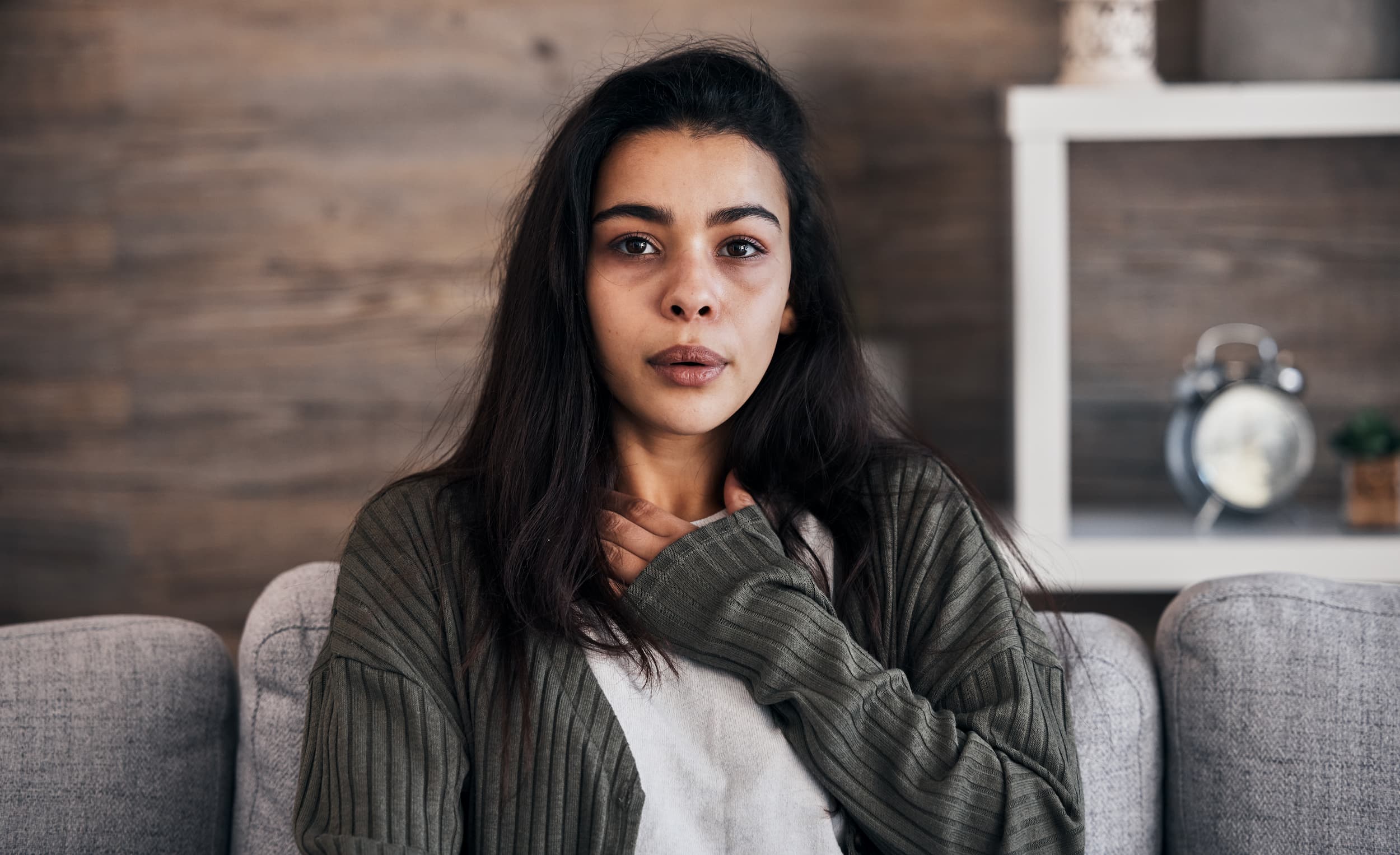
Many women in their 40s and early 50s start to feel anxious in ways they never have before.
You may notice:
- Racing thoughts at night
- A sense of unease that comes out of nowhere
- Irritability or emotional overwhelm
- Poor sleep that makes everything worse
The question many women ask is: “Is this anxiety—or is it perimenopause?”
The answer is often: it can be both.
What Is Perimenopause?
Perimenopause is the transition leading up to menopause. During this time, hormone levels—particularly estrogen—fluctuate unpredictably.
These fluctuations affect:
- Mood regulation
- Sleep
- Stress response
- Cognitive clarity
This is why many women experience emotional symptoms even if they’ve never had anxiety before.
Why Hormones Can Trigger Anxiety
Estrogen interacts closely with neurotransmitters like serotonin and dopamine. When estrogen levels shift:
- Serotonin signaling becomes less stable.
- Stress sensitivity increases.
- Sleep becomes more fragmented.
This can lead to:
- Increased worry
- Panic-like symptoms
- Heightened emotional reactivity
Signs Your Anxiety May Be Hormone-Related
Consider a hormonal component if:
- Your anxiety is new in midlife.
- Symptoms worsen at certain points in your cycle.
- You have sleep disruption or night waking.
- You feel more irritable or emotionally reactive than usual.
- Traditional coping strategies aren’t working the same way.
How This Differs From General Anxiety
| Hormone-Related Anxiety | Generalized Anxiety |
| :--- | :--- |
| Often begins in 40s–50s | Often lifelong or earlier onset |
| Fluctuates with cycle or sleep | More consistent pattern |
| Associated with physical symptoms (hot flashes, insomnia) | Less tied to hormonal symptoms |
| May respond to hormonal treatment | Typically treated with therapy/medication |
What Actually Helps
Treatment depends on the full picture, not just symptoms. Options may include:
- Cognitive behavioral therapy (CBT)
- SSRIs or other medications
- Sleep-focused interventions
- Lifestyle adjustments
- In some cases, hormone therapy as part of a broader plan
The key is identifying what’s driving your symptoms.
What Many Women Are Told (and Why It’s Incomplete)
Many women are told: “It’s just anxiety.”
While not wrong, it’s often incomplete. If hormones are contributing, treating anxiety alone may not fully resolve the problem.
When to Seek Help
You should consider an evaluation if:
- Anxiety is interfering with daily life.
- Sleep is consistently disrupted.
- Symptoms feel unfamiliar or out of proportion.
- You’re unsure whether this is hormonal, psychological, or both.
At WCWCW, we specialize in helping women understand how hormonal changes impact mental health—and how to treat both effectively.
👉 Schedule a consultation to get clarity on what’s driving your symptoms.
Need Support?
If this article resonated with you, our team is here to help.