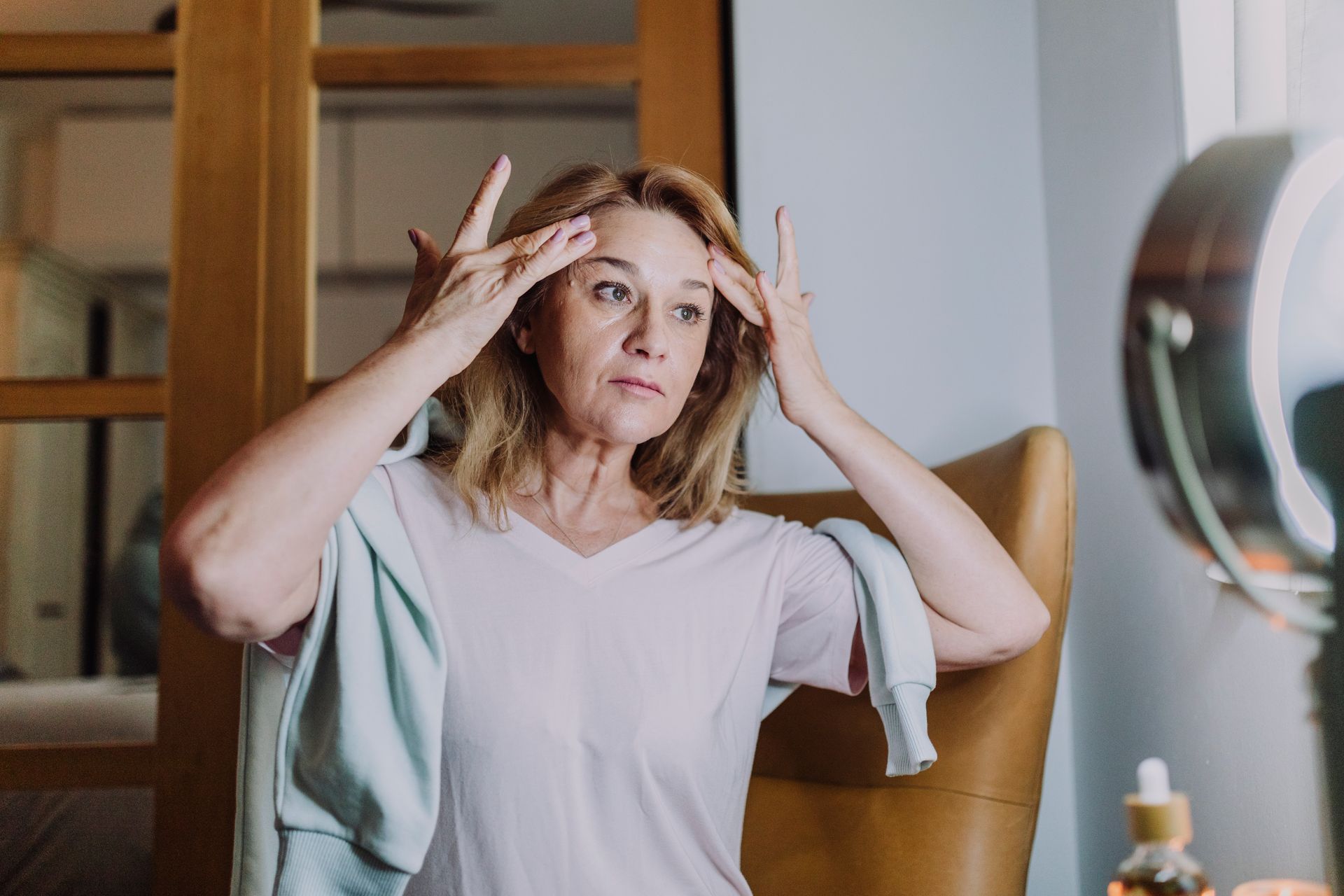
When most people think about menopause, they think about hot flashes, night sweats, and irregular periods. While these are some of the most recognizable symptoms, they are only part of the story.
For many women, the most disruptive changes during perimenopause and menopause aren't physical at all. They are emotional and cognitive.
You may suddenly feel more anxious, less patient, emotionally overwhelmed, unable to concentrate, or simply "not like yourself." These changes can be confusing, especially if you've never experienced mental health concerns before.
The good news? You're not imagining it, you're not alone, and effective treatment is available.
Menopause Affects the Brain, Not Just the Body
The hormonal changes that occur during perimenopause and menopause influence areas of the brain responsible for mood, sleep, memory, stress response, and emotional regulation.
As estrogen levels fluctuate and eventually decline, many women experience symptoms such as:
- Anxiety or excessive worry
- Irritability or increased frustration
- Depressed mood
- Mood swings
- Difficulty concentrating or "brain fog"
- Memory lapses
- Sleep disturbances
- Loss of motivation
- Decreased confidence
- Reduced interest in activities they once enjoyed
These symptoms may develop gradually or seem to appear overnight, often leaving women wondering what has changed.
When It Feels Like You've Lost Yourself
One of the most common things we hear from patients is:
"I don't feel like myself anymore."
Women who have always been organized suddenly struggle to remember appointments. Those who have managed busy careers for decades begin questioning their abilities. Others notice increased anxiety in situations that never bothered them before.
Because these symptoms often develop during midlife, they are frequently dismissed as stress, aging, or simply having "too much on your plate."
While life stressors certainly play a role, hormonal changes can significantly contribute to these emotional and cognitive symptoms.
Anxiety During Menopause Is More Common Than Many Women Realize
Anxiety is one of the most overlooked symptoms of the menopausal transition.
It may look like:
- Racing thoughts
- Feeling constantly on edge
- Panic attacks
- Difficulty relaxing
- Increased health anxiety
- Feeling overwhelmed by everyday responsibilities
- Trouble falling or staying asleep because your mind won't slow down
Some women experience anxiety for the first time during perimenopause, while others notice that existing anxiety becomes much more difficult to manage.
Brain Fog Is Real
Many women worry they're developing dementia because they find themselves forgetting names, losing words mid-sentence, or struggling to focus.
In most cases, these changes are related to the hormonal transition, poor sleep, increased stress, or a combination of all three.
While brain fog can be frustrating, it is important to discuss these symptoms with your healthcare provider to rule out other medical causes and determine the most appropriate treatment.
Depression Doesn't Always Look Like Sadness
Depression during menopause isn't always characterized by crying or feeling hopeless.
Instead, it may present as:
- Feeling emotionally flat
- Lack of motivation
- Fatigue
- Difficulty making decisions
- Withdrawing from friends and family
- Feeling overwhelmed by routine responsibilities
- Losing interest in hobbies or relationships
Many women assume these changes are simply part of getting older. They are not something you have to accept.
Why Specialized Care Matters
Mental health symptoms during menopause deserve the same attention as physical symptoms.
Treatment should begin with a comprehensive evaluation to understand what is contributing to your symptoms. Hormonal changes, sleep disruption, thyroid disease, life stressors, medical conditions, and underlying depression or anxiety can all overlap during midlife.
Depending on your individual needs, treatment may include:
- Psychiatric evaluation and medication management
- Individual psychotherapy
- Lifestyle interventions to improve sleep and stress management
- Collaboration with your gynecologist or primary care physician
- Discussion of whether menopausal hormone therapy may be appropriate as part of your overall care
There is no one-size-fits-all solution. The most effective treatment is one that is personalized to your symptoms, medical history, and goals.
You Don't Have to "Push Through"
Too many women spend months or even years believing they simply need to tolerate these changes.
They don't.
If you're experiencing anxiety, depression, brain fog, sleep problems, or emotional changes during perimenopause or menopause, know that these symptoms are common, treatable, and worthy of attention.
At the Washington Center for Women's and Children's Wellness, our reproductive psychiatrists and specialized therapists understand the complex relationship between hormones, mental health, and overall well-being. We work collaboratively with women to develop individualized treatment plans that address both emotional health and quality of life.
You deserve to feel like yourself again.
If you're struggling during perimenopause or menopause, we're here to help. Contact Washington Center for Women's and Children's Wellness to schedule an appointment with one of our reproductive mental health specialists.
Need Support?
If this article resonated with you, our team is here to help.